
Enclosures and panels
Prototype enclosures, covers, front panels and mounting holes for electronic modules, boards and connectors.
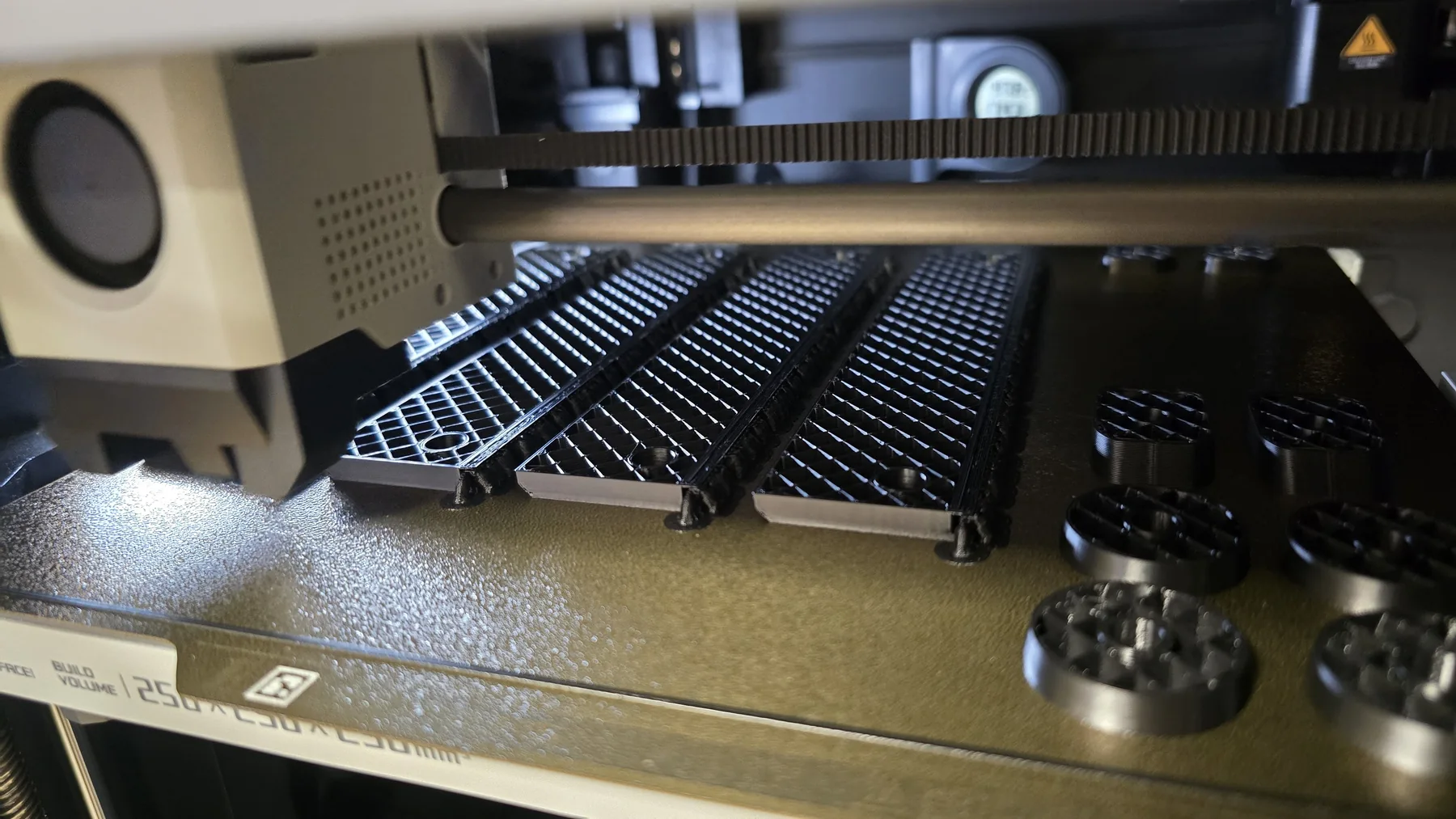
Prototypes and functional parts
Electronics enclosures, mounting components and individual functional parts. We make prototypes so you can check assembly and dimensions before moving forward.
Send a file or briefWhat we make
3D printing is useful when you need to test an idea quickly or produce a small number of specialized parts. We assess geometry, load and operating conditions before proposing a material and production method.
Prototype enclosures, covers, front panels and mounting holes for electronic modules, boards and connectors.
Holders, spacers, adapters and fixtures for testing assembly.
One-off parts and small batches for testing, mechanism adjustment or replacement of a non-standard component.
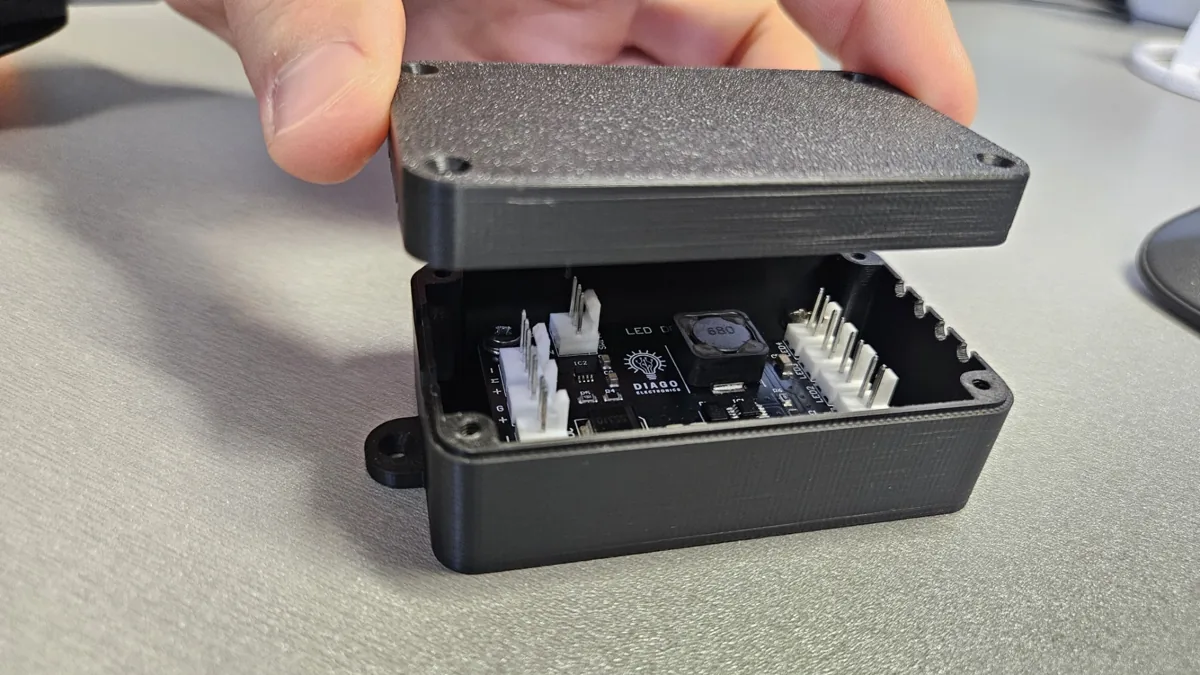
Real example
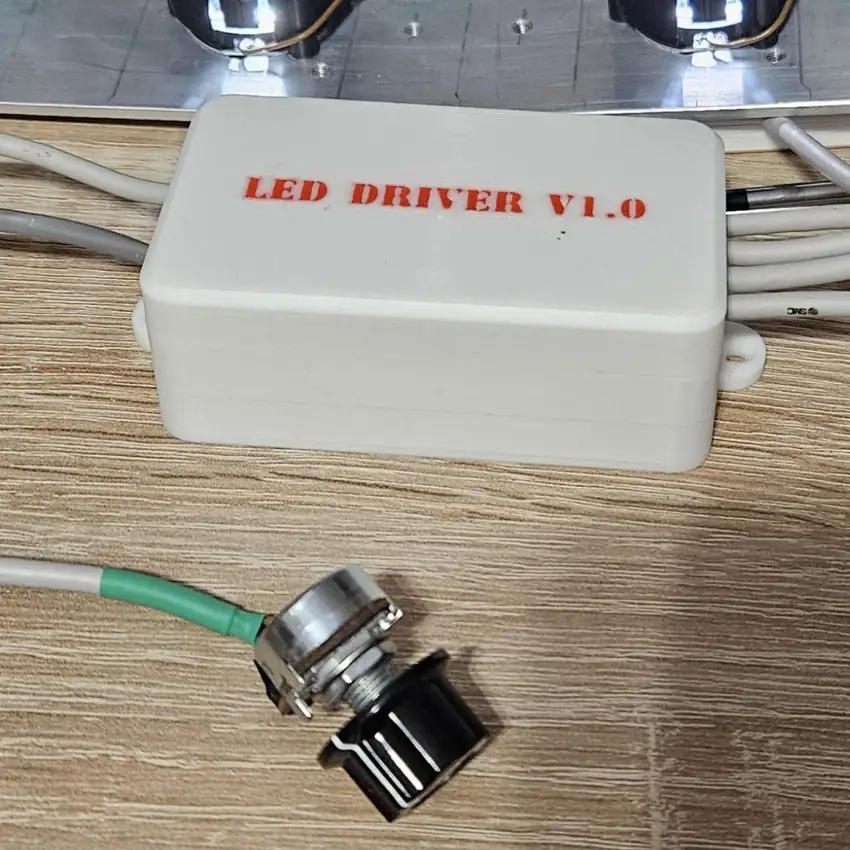
The image shows an electronic module we designed and mounted in a 3D printed test enclosure. Trial assembly lets us check the board position, mounting and connector access.
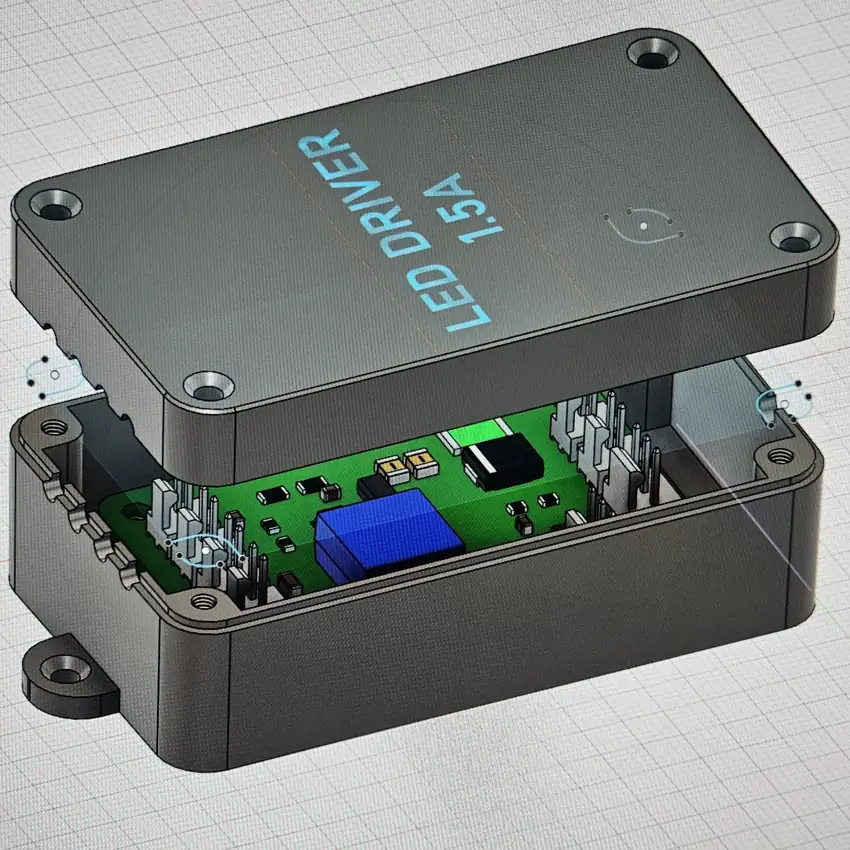
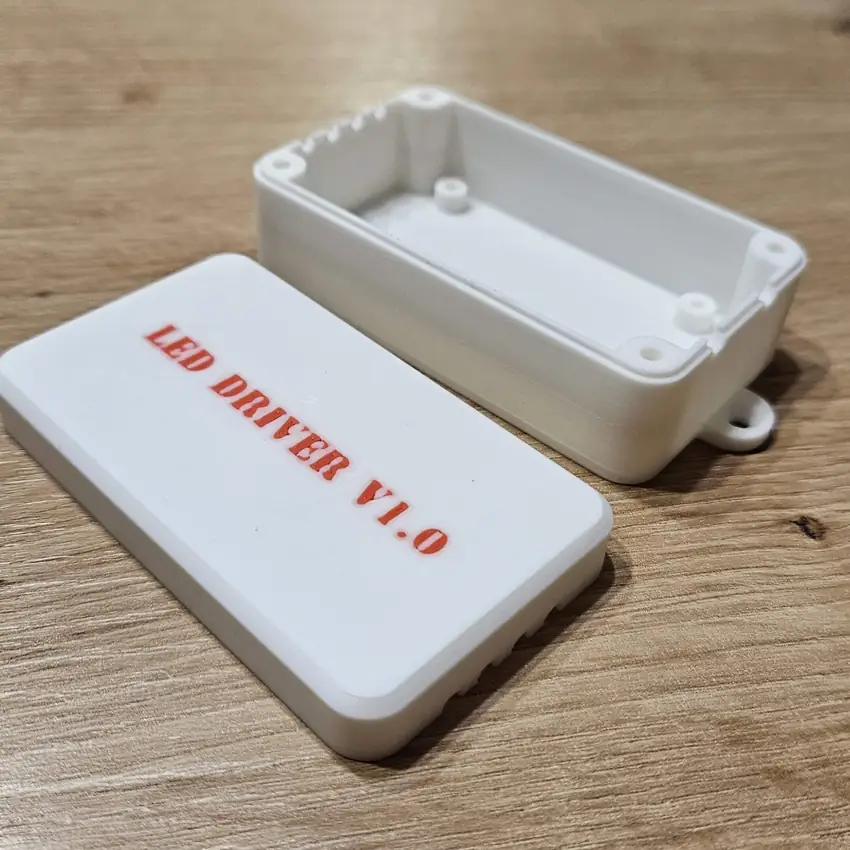
Another example
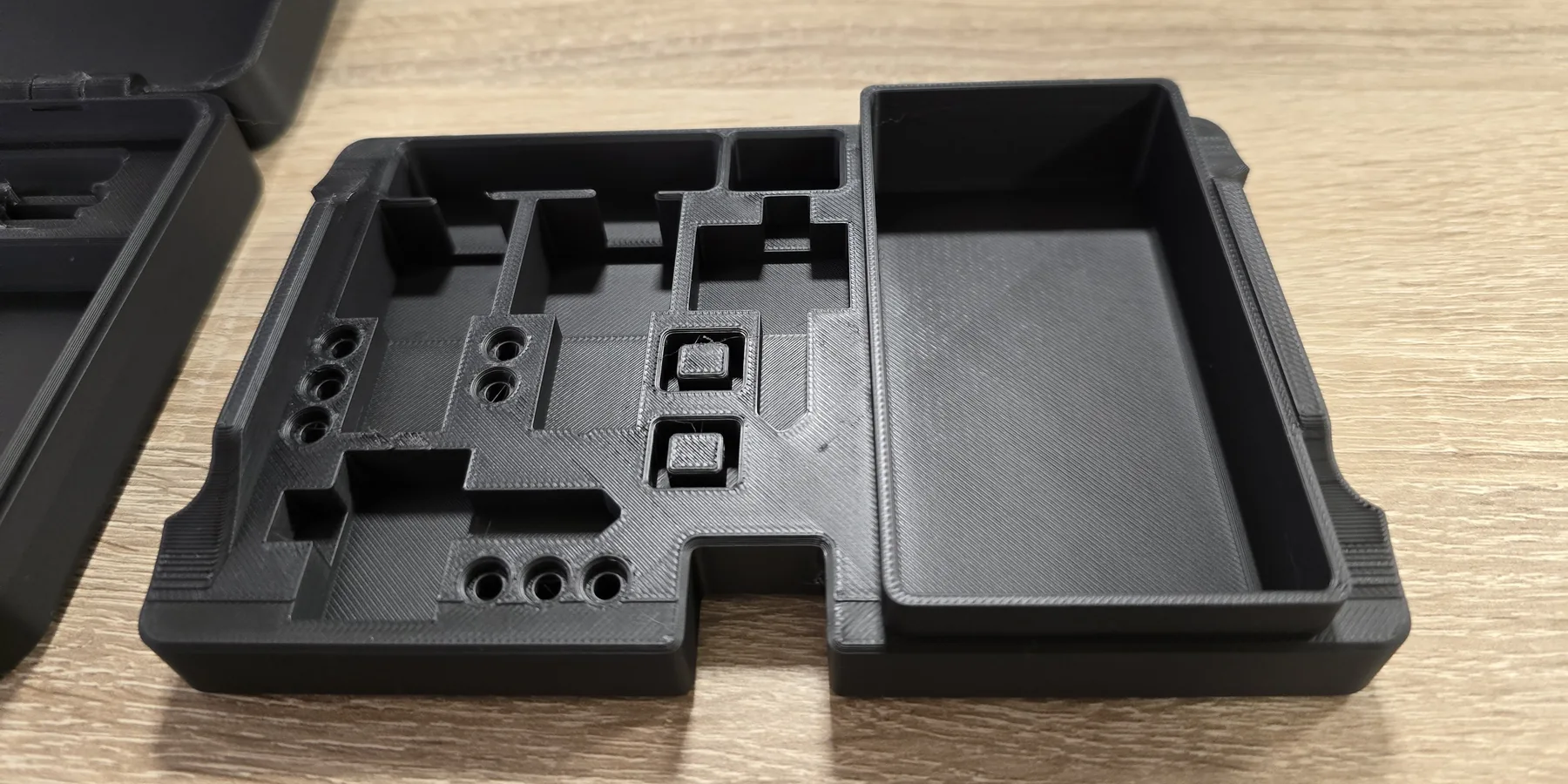
The images show the 3D model with room for the board and connectors, the printed base and cover, and the assembled module. Cable outlets and the external adjuster are visible in the assembled part.
Completed parts
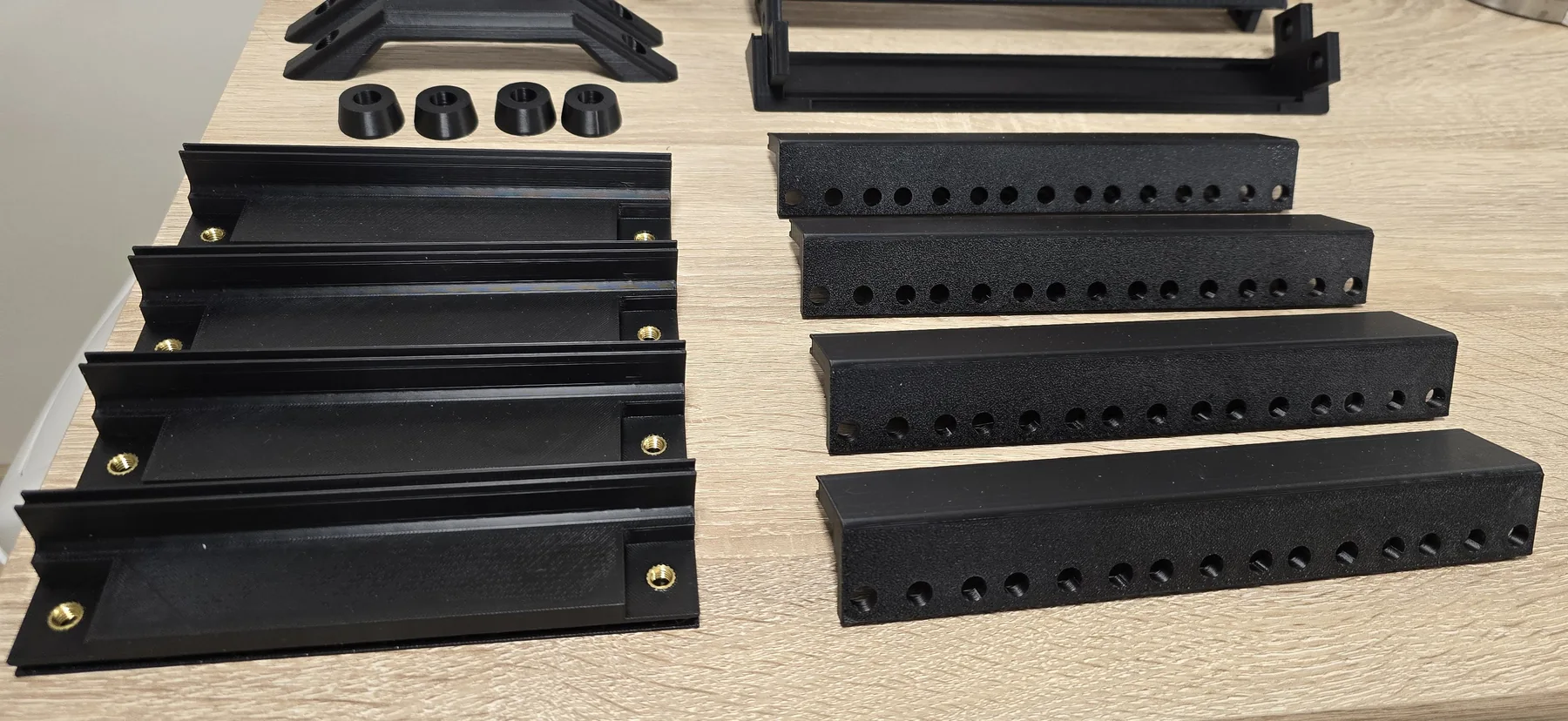
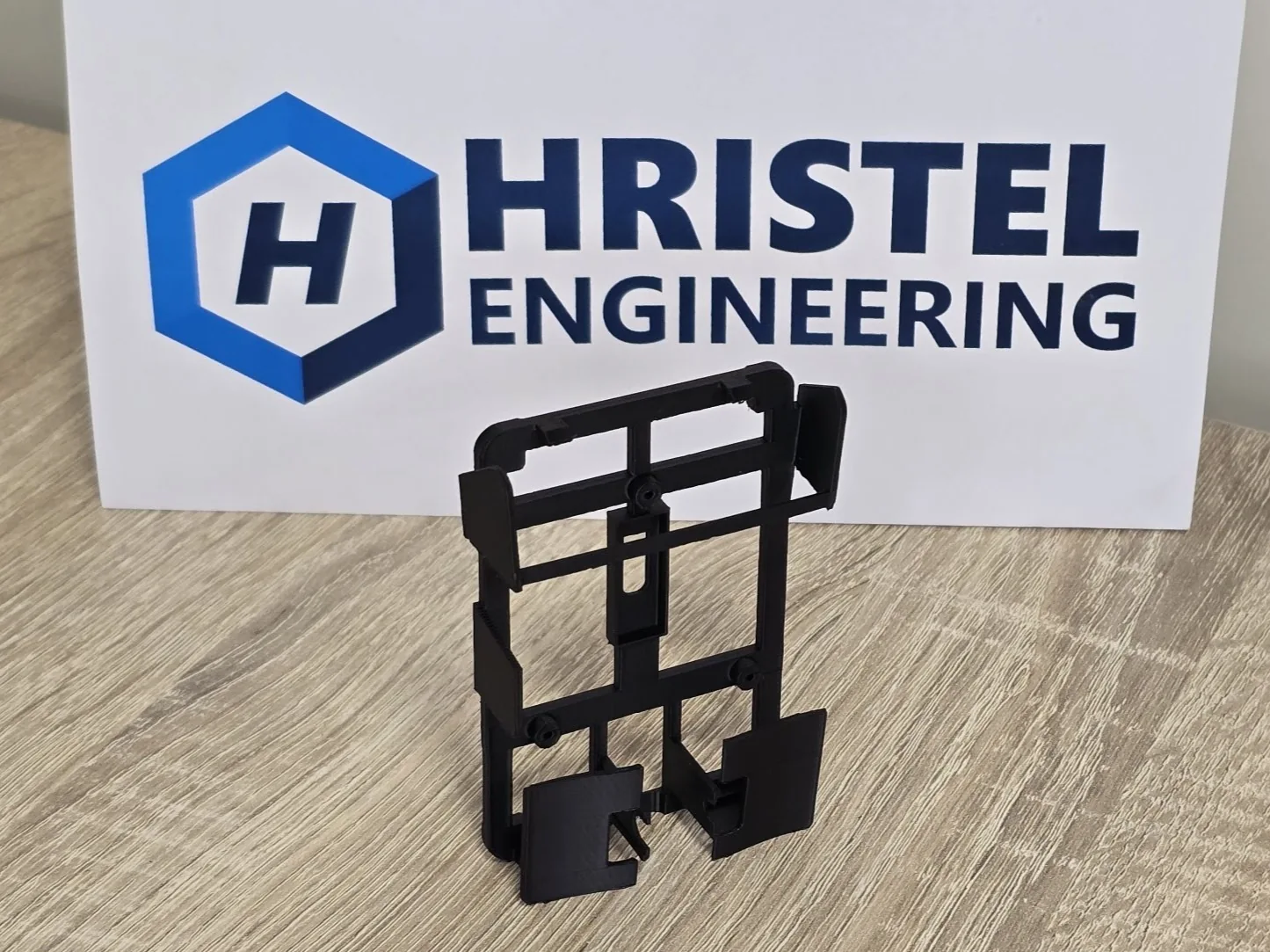
From small mechanical components to enclosures and mounting profiles, we select the geometry and material for the part’s purpose.
More parts
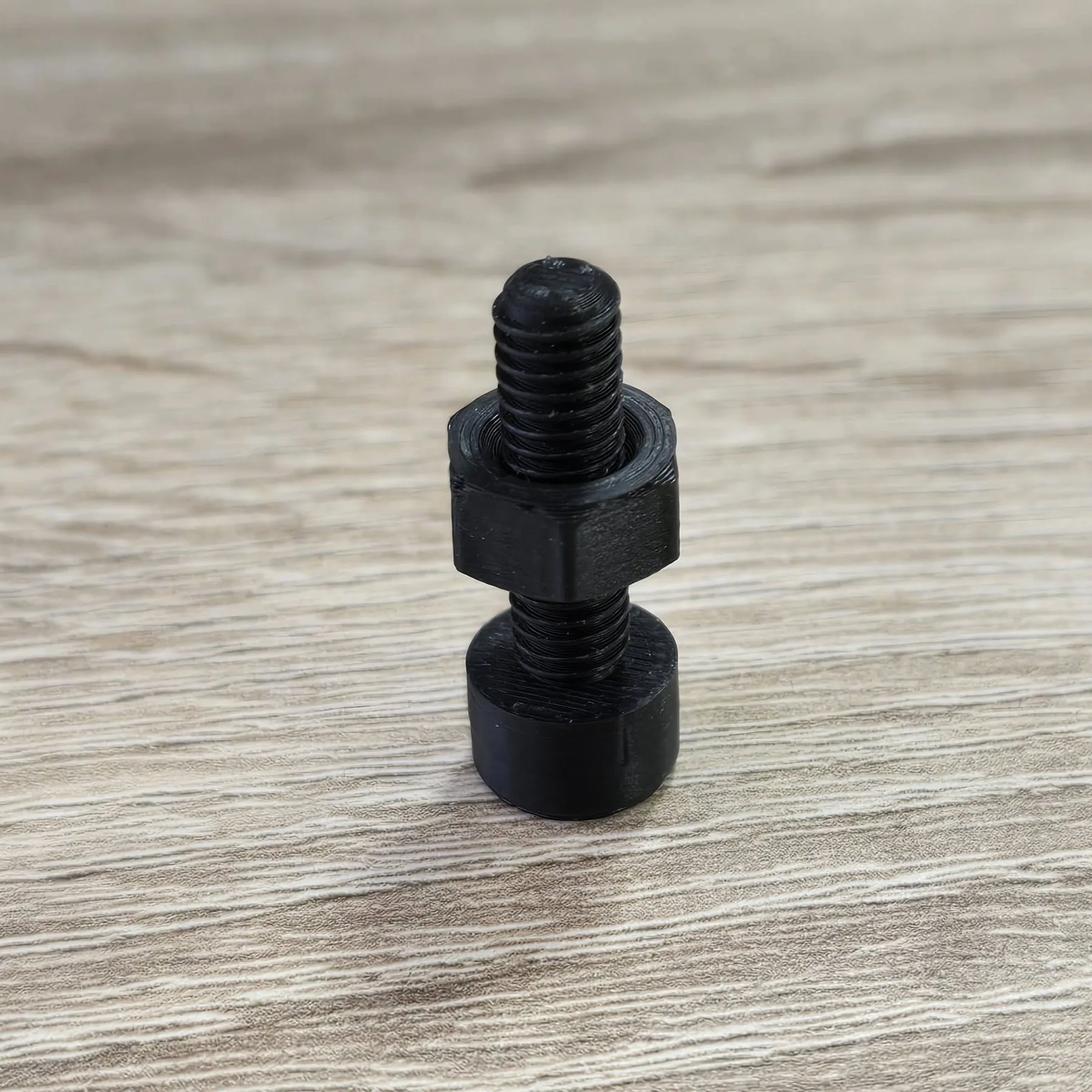
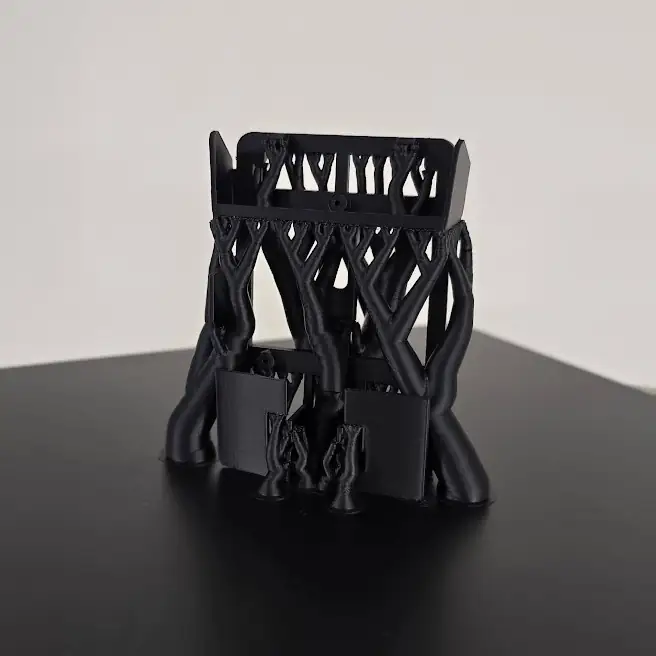
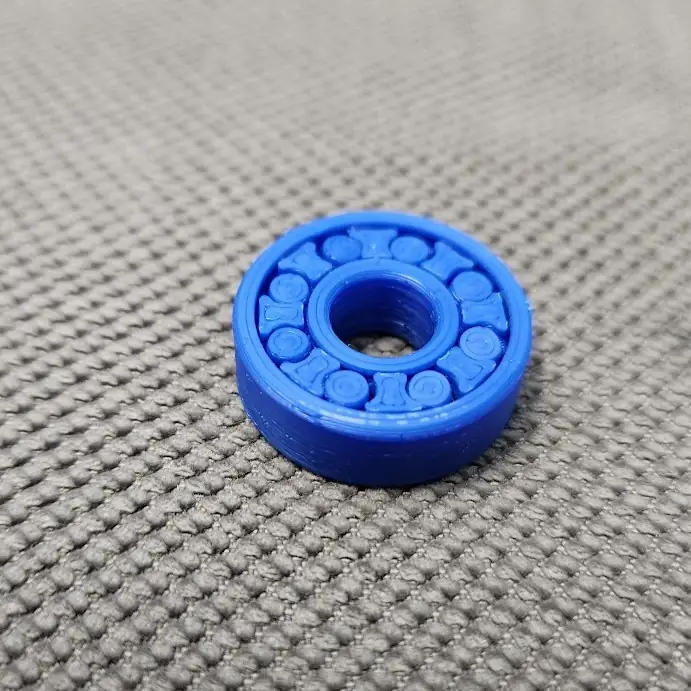
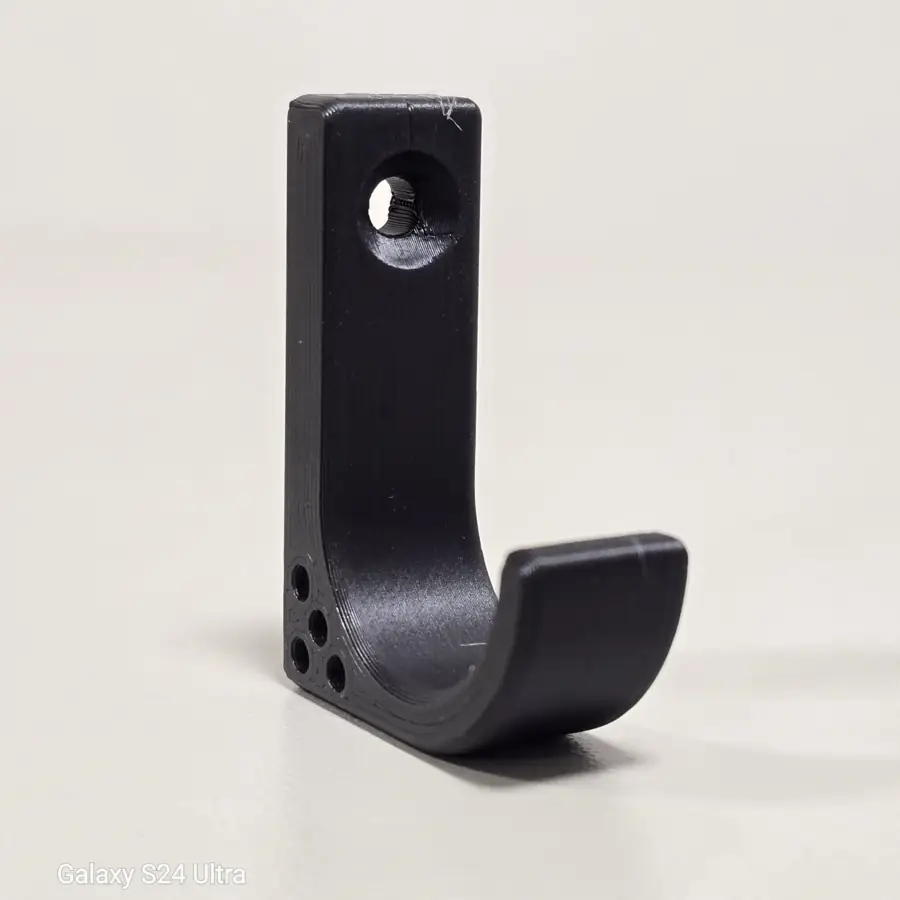
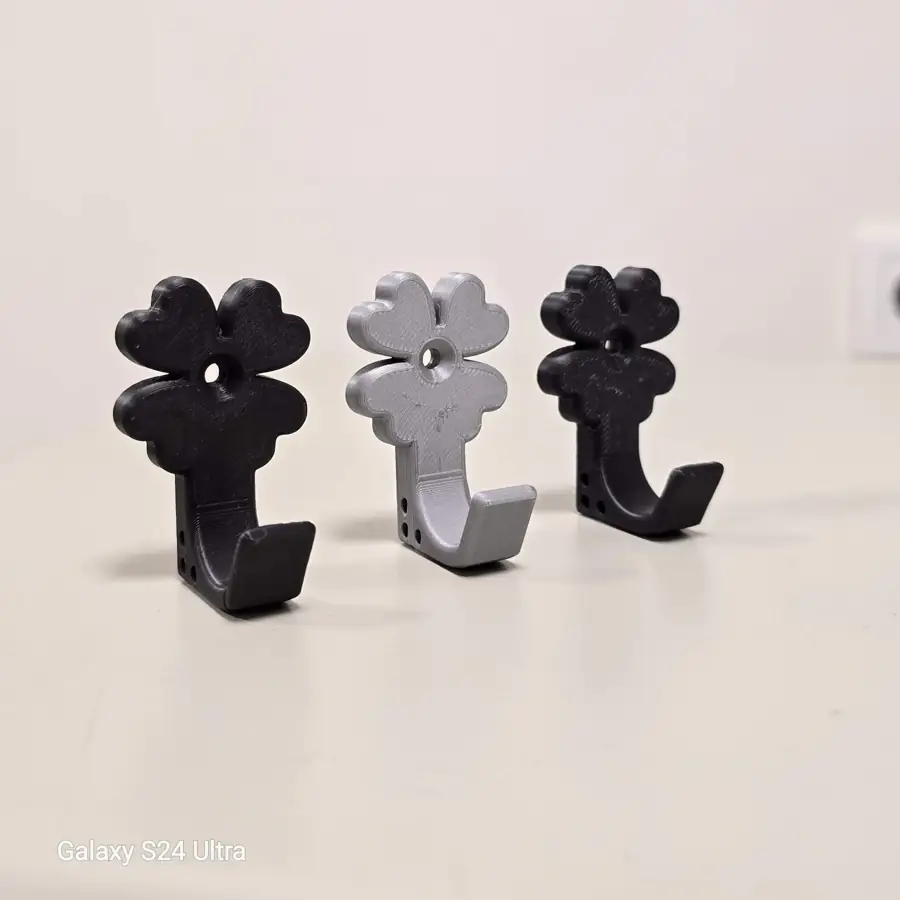
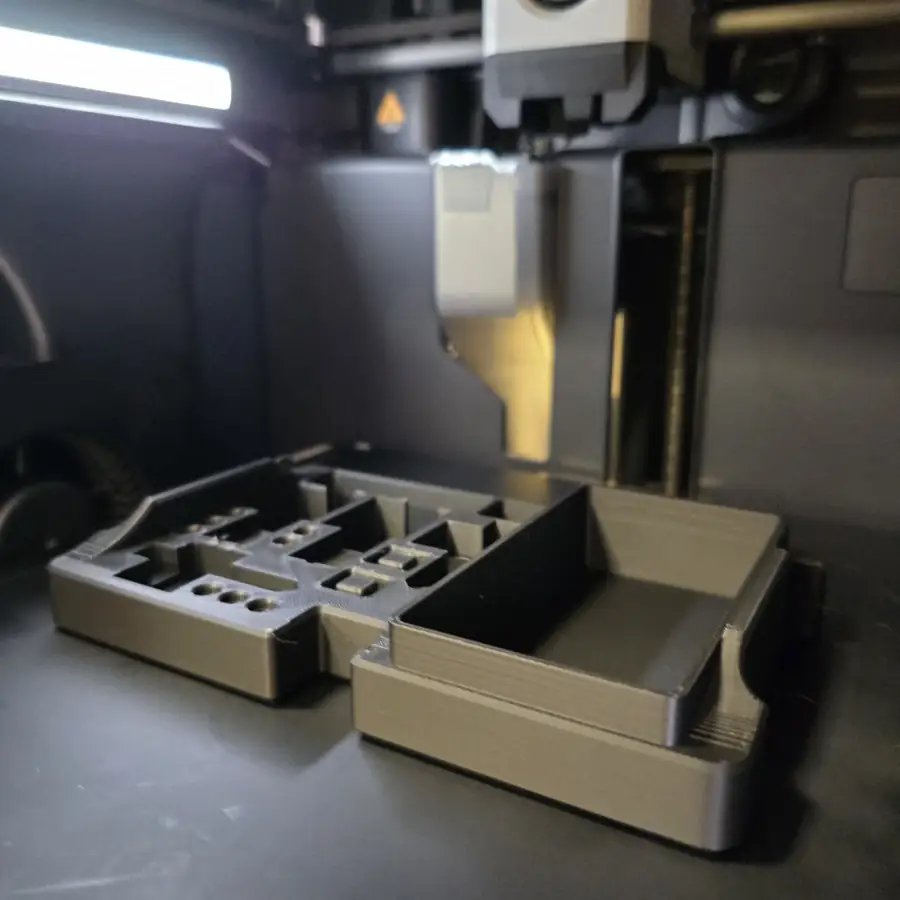
The examples include a print with supports, a functional 3D printed 608 bearing and several versions of hooks with mounting holes.
In the workshop
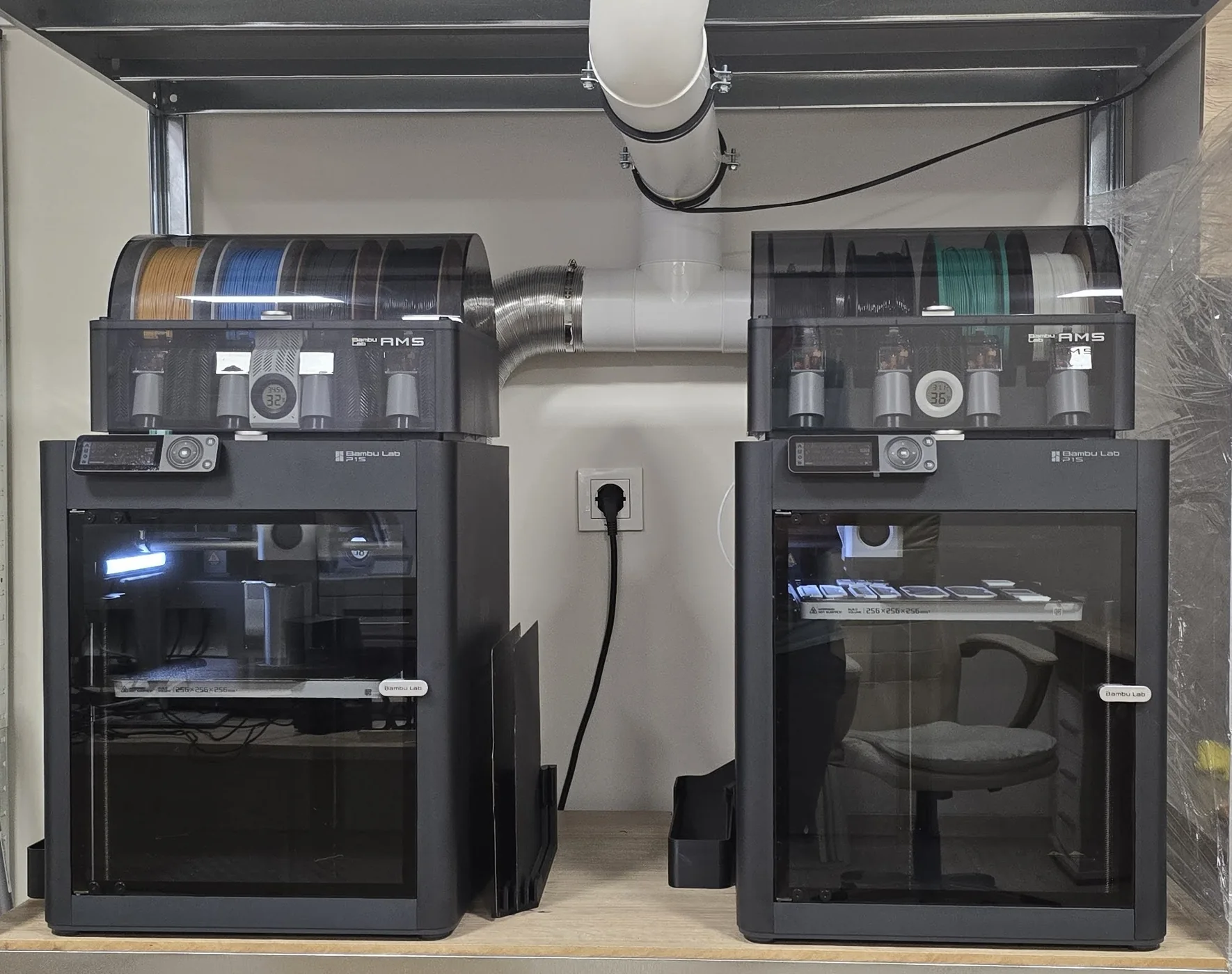
We print parts and examine them outside the printer. We check print quality, dimensions and assembly. If needed, we change the print settings and make another part to improve the result.
Multiple parts
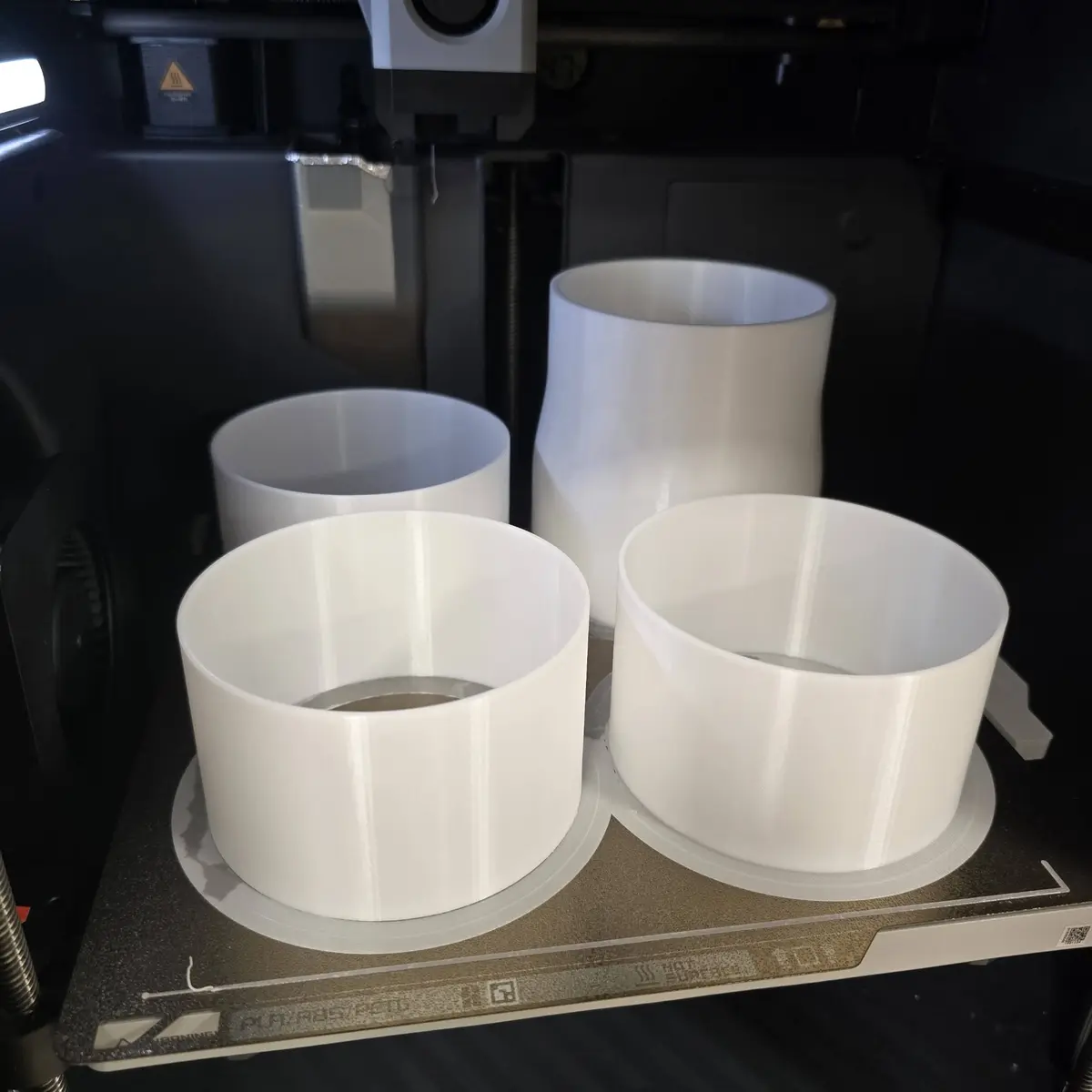
Four white cylindrical parts were printed on one build plate. When producing multiple items, we inspect each part after printing.
Materials
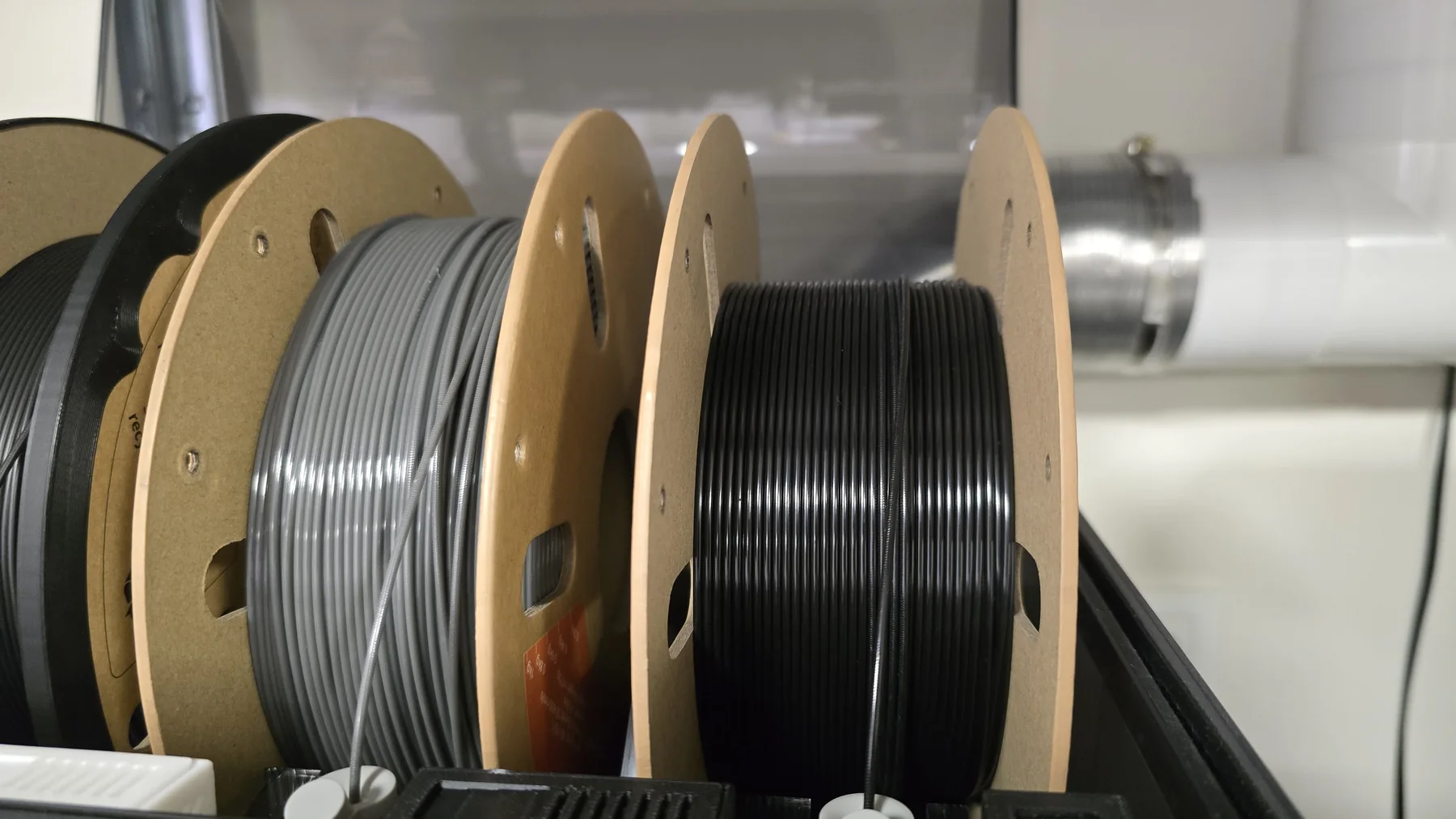
Material selection depends on geometry, temperature, mechanical load and operating conditions. We decide before printing, based on more than color or appearance.
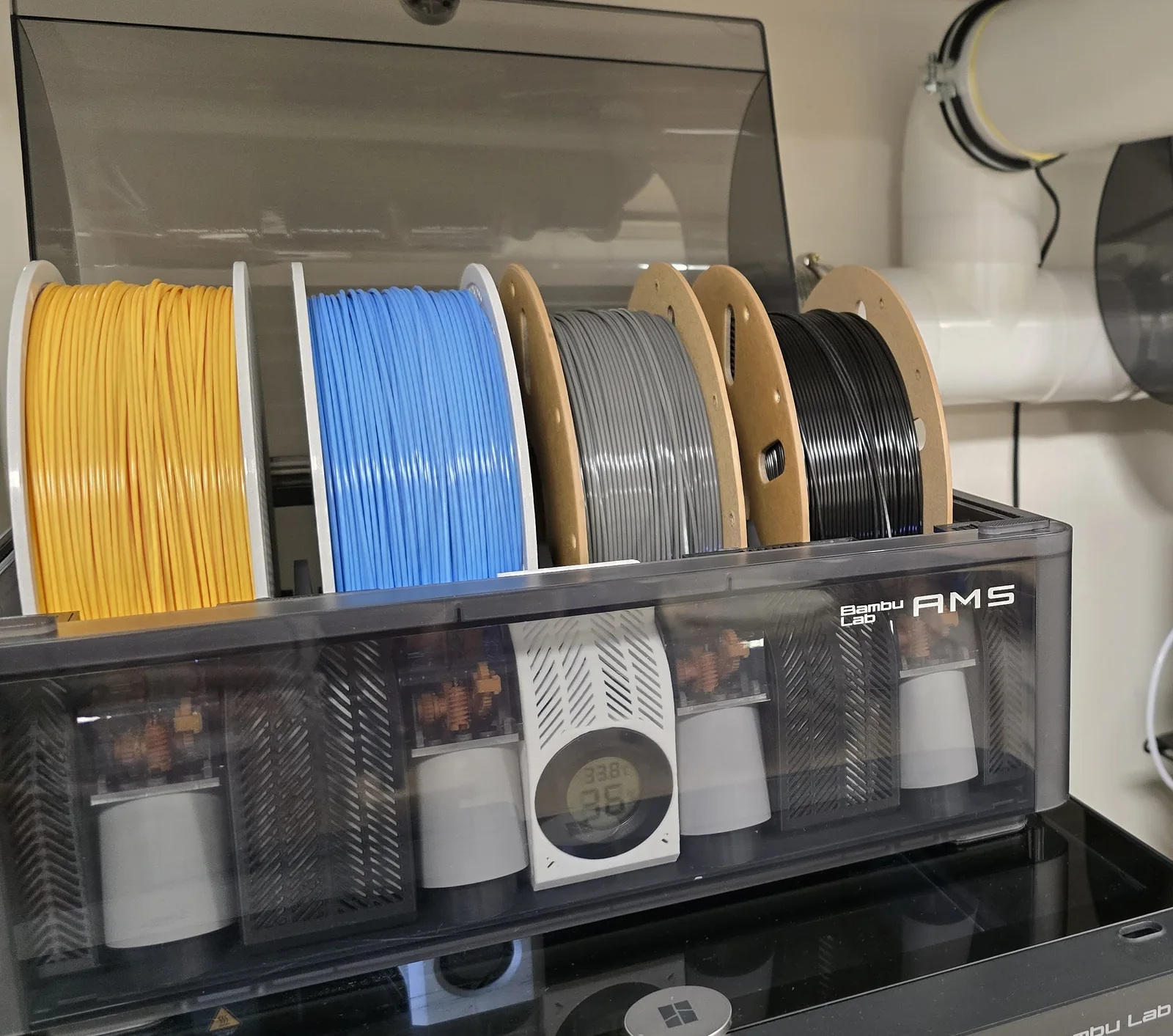
For rapid prototypes, trial assembly and parts without high thermal or impact loads.
For functional parts that require better heat and mechanical resistance.
For applications exposed to sunlight and outdoor conditions, after assessing the specific requirements.
A 3D printed part has limits related to layer direction and temperature. For critical loads, we first discuss whether this method is suitable.
Working to your brief
Send an .STL or .STEP file and specify the desired color, quantity, purpose and operating conditions. We use this information to select a suitable filament.
We check printability, orientation, critical dimensions and suitable material.
We agree on price and timing, then produce the agreed prototype or small batch.
We inspect the finished part and discuss changes if trial assembly calls for them.
Send a file, photo or short description. Include the quantity, critical dimensions and intended use so we can provide a meaningful assessment.
Send an enquiry